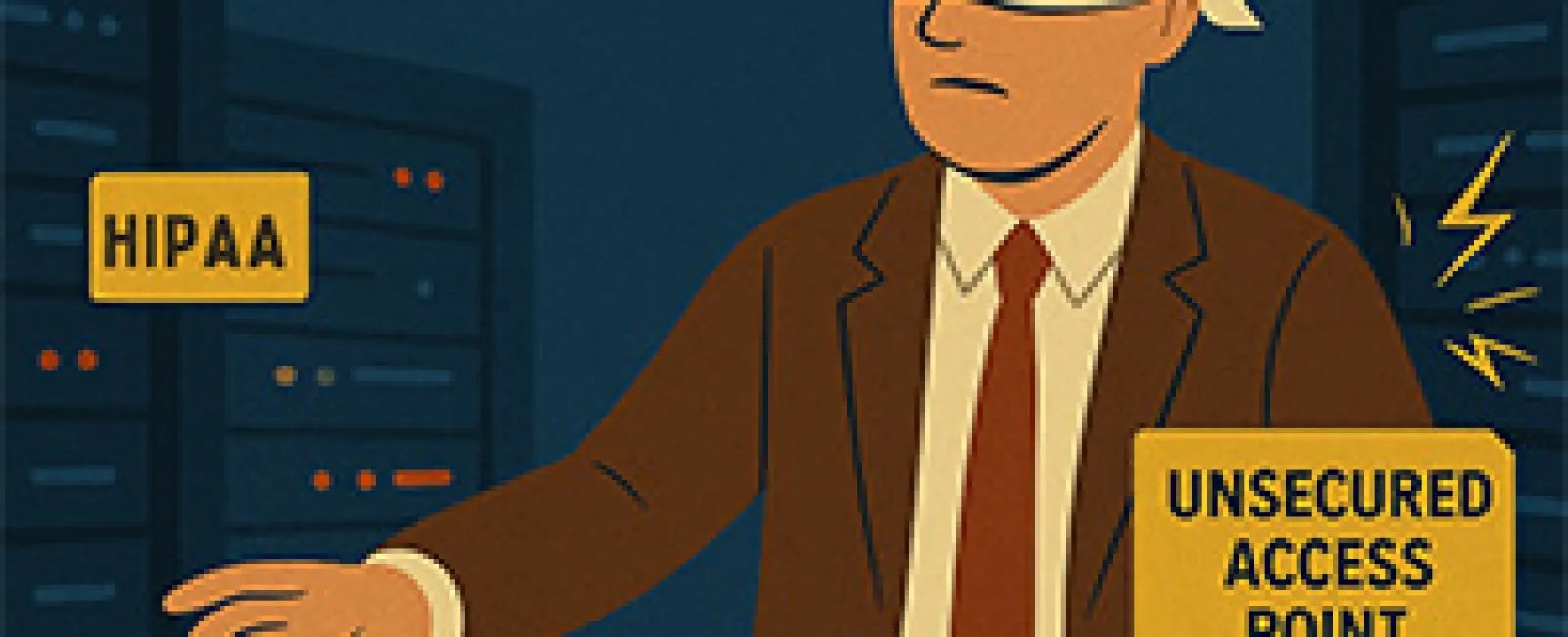
Many small business owners mistakenly believe that regulatory compliance concerns only impact large corporations. However, in 2025, this misconception couldn't be more inaccurate. With regulations becoming stricter across industries, small businesses are now prime targets for compliance enforcement agencies.
Why Compliance Is Crucial Today
Regulatory authorities such as the Department of Health and Human Services (HHS), Payment Card Industry Security Standards Council (PCI SSC), and the Federal Trade Commission (FTC) have ramped up their vigilance on data security and consumer privacy. Failing to comply is more than a legal issue — it poses significant financial risks and can severely damage your small business’s reputation.
Essential Regulations Impacting Small Businesses
1. HIPAA (Health Insurance Portability and Accountability Act)
If your operations involve handling protected health information (PHI), HIPAA regulations apply. Recent updates highlight:
●
Mandatory encryption for electronic PHI.
●
Regular risk assessments to uncover vulnerabilities.
●
Employee training on privacy and security protocols.
●
Incident response plans to address potential breaches.
Noncompliance can lead to severe fines. In 2024, for example, the HHS fined a small healthcare provider $1.5 million for failing to safeguard data adequately.
2. PCI DSS (Payment Card Industry Data Security Standard)
Businesses processing credit card payments must comply with PCI DSS. Critical requirements include:
●
Secure storage of cardholder data.
●
Continuous network monitoring and testing.
●
Firewalls and encryption implementation.
●
Access controls to limit data access.
Penalties for noncompliance can range from $5,000 to $100,000 monthly, depending on the violation’s severity and duration.
3. FTC Safeguards Rule
Businesses collecting consumer financial data must:
●
Create a written information security plan.
●
Appoint a qualified security officer to manage safeguards.
●
Perform regular risk assessments.
●
Implement multifactor authentication (MFA).
Violations can lead to fines up to $100,000 per incident for businesses and $10,000 for individuals responsible. The risks are real.
Consequences of Ignoring Compliance
Consider a small medical practice hit by a ransomware attack due to outdated security. They faced a $250,000 fine from the HHS and lost patient trust, causing a steep decline in clients. Taking control of your data is essential.
How to Stay Compliant
- Perform Thorough Risk Assessments: Regularly check your systems to spot and fix weaknesses.
- Adopt Strong Security Practices: Utilize encryption, firewalls, and MFA to safeguard sensitive information.
- Educate Your Team: Train employees on compliance standards and security best practices.
- Create an Incident Response Plan: Develop clear procedures to handle potential data breaches.
- Work With Compliance Specialists: Partner with experts to navigate complex regulatory landscapes.
Act Now Before It's Too Late
Compliance goes beyond legal duty — it safeguards your business’s reputation and future. Ignoring these requirements can lead to crippling fines and irreversible harm.
Ready To Evaluate Your Compliance Status?
Take advantage of our FREE Systems Assessment to uncover vulnerabilities and ensure your business meets all regulatory standards. Don’t let compliance gaps threaten your success.
Click here or call us at 503-210-5203 to schedule your FREE Systems Assessment today.