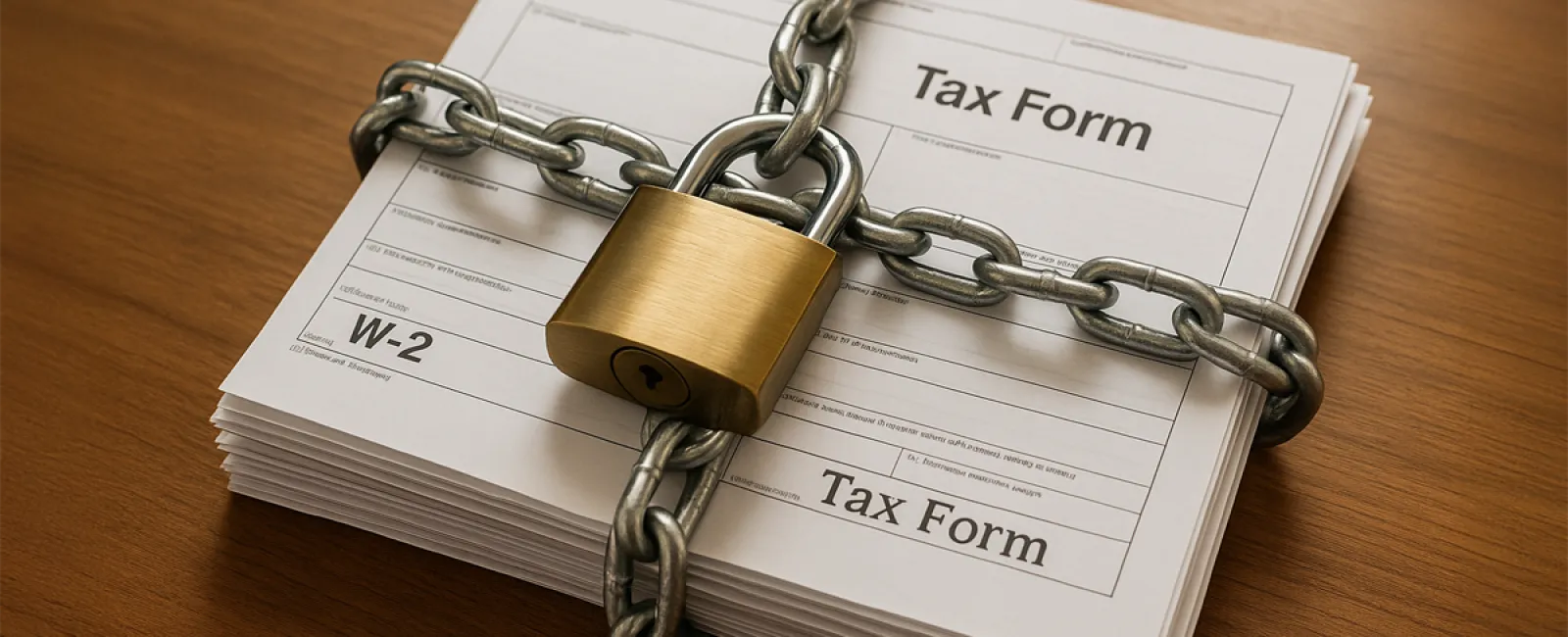
February signals the start of tax season—the busiest time for accountants, bookkeepers gathering documents, and everyone focused on W-2s, 1099s, and looming deadlines.
But here's a hidden hazard few anticipate on their calendars: tax season's first real headache often isn't paperwork—it's a scam.
One particular scam appears well before April arrives because it's simple, convincing, and targets small businesses directly. It may already be lurking in an employee's inbox.
Understanding the W-2 Scam: The Modus Operandi
The scam unfolds like this:
An employee responsible for payroll or HR receives an email that seems to come from the CEO, owner, or a top executive.
The message is brief and urgent:
"I need copies of all employee W-2 forms for an accountant meeting. Can you send them ASAP? I'm swamped today."
The email sounds perfectly plausible—the tone matches the busy tax season atmosphere, and the request feels legitimate.
Trusting this, the employee forwards the W-2 forms.
However, the email wasn't from the CEO but from a fraudster using a spoofed address or a deceptive domain.
That criminal now has access to every employee's:
• Full legal name
• Social Security number
• Home address
• Salary details
All crucial information that enables identity theft and the filing of fake tax returns ahead of your staff.
What Happens After the Scam?
Typically, victims realize when:
They attempt filing taxes but receive rejections stating "Return already filed for this Social Security number."
Someone else has filed using their identity, already claimed their refunds.
Your employees face a daunting process involving the IRS, credit monitoring, identity theft protection, and extensive paperwork—all triggered by a deceitful email.
Now multiply this across your entire workforce, and imagine having to explain that their personal data was compromised due to a deceptive email.
This is more than a security breach—it damages trust, creates HR crises, opens legal risks, and harms your company's reputation.
Why This Scam Catches So Many Businesses
This isn't your typical obviously fake email scam.
It succeeds because:
• The timing is spot on—W-2 requests are common in February, so no one questions the ask.
• The demand is reasonable—not outrageous financial demands, but routine paperwork sharing.
• The urgency feels authentic: "I'm swamped, please send quickly." doesn't alarm busy employees.
• The sender's identity seems real; scammers research and spoof executives' names or accountants to appear credible.
• Employees want to be cooperative, especially with leadership, so urgency undermines verification.
How to Shield Your Business Before the Scam Strikes
The upside? This scam is entirely preventable, relying more on clear policies and company culture than high-tech solutions.
Implement a strict "no W-2s sent via email" policy—no exceptions. Sensitive payroll documents must never leave the office by email. Respond with a firm "no" to any such email requests, even if they appear to be from the CEO.
Always verify sensitive requests through a second channel: make a phone call, talk in person, or use a known chat platform—never reply to the suspicious email directly. This quick step can prevent months of damage control.
Hold a brief tax season scam awareness meeting now—don't wait. Train your payroll and HR teams on these scams, what to watch for, and how to respond. Awareness is your best defense.
Secure payroll and HR systems with multi-factor authentication (MFA) to protect against credential theft.
Encourage a culture where verification is valued. Employees double-checking CEO requests should be recognized—not criticized. When vigilance is rewarded, scammers lose their foothold.
These five straightforward steps are easy to implement quickly and powerful enough to block initial scam attempts.
Looking at the Wider Threat Landscape
The W-2 scam is just the beginning.
From now until April, businesses should expect a surge in tax-related cyber threats, including:
• Fraudulent IRS notices demanding urgent payments
• Phishing emails posing as tax software updates
• Impersonation emails appearing to come from accountants with harmful links
• Fake invoices crafted to resemble legitimate tax expenses
Tax season is fertile ground for criminals because of the rush, distractions, and the normalcy of financial requests.
Businesses that navigate the season unscathed aren't lucky—they're prepared with strong policies, ongoing training, and effective defenses against suspicious requests.
Is Your Business Protected?
If you already have safeguards and trained staff, you're ahead of most small enterprises.
If not, now is the critical moment—not after falling victim.
For businesses that want to strengthen their tax season defenses, schedule a 15-minute Tax Season Security Check where we'll evaluate:
• Payroll and HR system access controls and MFA
• W-2 document handling and verification procedures
• Email protection to prevent spoofing
• A key policy adjustment many companies overlook
If this description sounds unfamiliar, share this article with a business owner who may benefit—it could save them from a costly breach.
Click here or give us a call at 503-210-5203 to schedule your free Systems Assessment.
Because tax season is challenging enough—don't let identity theft make it worse.